A global AI research and building event · by Exea Labs

Research it online.Build it in person.Ship something real.

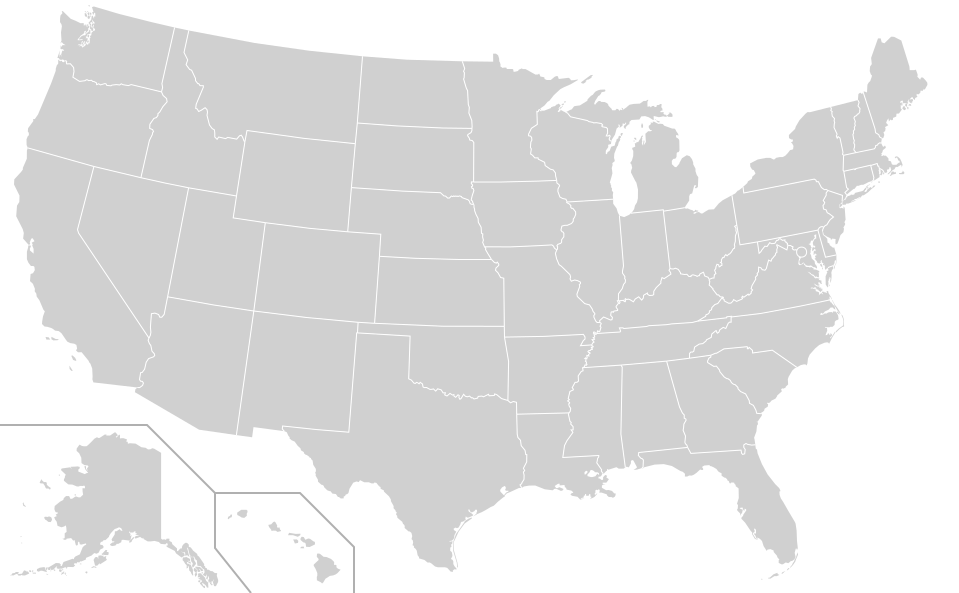
Catalyst gives students free cloud GPU compute to run a real AI research project online, then brings the strongest teams to regional semifinals in San Francisco, Los Angeles, Seattle, and New York City, before the best advance to the final in San Francisco.

Proposed in collaboration with Hack Club. Currently being developed for Hack Club consideration.

The event, end to end

Teens 13–18 · solo or team · Fall 2026

  1. 01

    Online round

    6 weeks of research and building, open worldwide

  2. 02

    Regional semifinals

    San Francisco · Los Angeles · Seattle · New York City

  3. 03

    The final

    San Francisco — the strongest teams advance

ComputeFree GPU, project-tied
PathwaysLaunch · Build · Frontier

In development proposed in collaboration with Hack Club

01 · COMPUTESLED-01SLED-02SLED-03SLED-0402 · RESEARCHLOSSSTEPS$ catalyst jobs submitrun 4193 · acc 0.91403 · SHIPPEDMATCH 0.91 · OFFLINESCAN AGAINv1.0.0 · publicSHIPPEDfree, and finitesix weeks of finding outa thing people can use
01ComputeCloud GPU hours, allocated free to students
02ResearchSix weeks of experiments that mostly fail first
03ShippedA working, public thing on the last day

03Why this event

The hard part of AI research is not the ideas. It is getting a machine to run them on.

Every barrier below is real, and none of them are about talent. Catalyst is built to remove five of them at once, because removing only one does not help.

The situation now
  • 01

    Hardware decides who does research

    The interesting experiments need GPUs. GPUs cost more than most students' whole computer.

  • 02

    Ideas outnumber allocations

    Plenty of students have a good question and no way to run it even once.

  • 03

    Hackathons reward speed

    48 hours rewards what can be demoed, not what can be found out. A training run does not fit.

  • 04

    Research programs gate on credentials

    Most require a university, a professor's introduction, a GPA, a fee, or a passport.

  • 05

    Research rarely becomes a product

    The result gets a poster and then nothing. Students almost never get to build the polished version.

What Catalyst does
  • 01

    Free compute, allocated

    Eligible participants receive finite GPU allocations tied to their project. The hardware barrier stops deciding.

  • 02

    Six weeks, not one weekend

    Long enough to run something, watch it fail, and run it again. That is where the learning is.

  • 03

    Three pathways

    First project or original research, each judged against its own rubric. No pathway is the real one.

  • 04

    Mentorship and a public feed

    Office hours, weekly feedback, and hundreds of people posting what broke this week.

  • 05

    An in-person build sprint

    Findings become a polished, working thing, in one room, with hardware and help on hand.

  • 06

    Shipping is the finish line

    Every project publishes: repository, demo, write-up. A result nobody can use is not finished.

Take the six weeks away and this is a hackathon. Take the compute away and it is a reading group. Take the in-person final away and it is a competition nobody remembers. The three together are the argument.

04The journey

One project, three clear stages.

Start online, earn a place at a regional semifinal, then bring the strongest version of your project to San Francisco.

Stage 1 · Six weeks

Research and build online

Start solo or find a team, choose a pathway, and turn a real question into a working project with free compute.

  • Pick a problem and form your team
  • Run experiments and share short build updates
  • Submit a public project for semifinal review

OutcomeYou leave with a shipped project and written feedback.
Stage 1 · Six weeks

Research and build online

Start solo or find a team, choose a pathway, and turn a real question into a working project with free compute.

  • Pick a problem and form your team
  • Run experiments and share short build updates
  • Submit a public project for semifinal review
You leave with a shipped project and written feedback.
Stage 2 · In person

Present at a regional semifinal

Selected teams meet in San Francisco, Los Angeles, Seattle, or New York City to present what they found and improve the project with direct feedback.

  • Show the research behind the build
  • Work with mentors and other teams
  • Demo the stronger version for a place in the final
Top teams from each city advance to San Francisco.

Stage 3 · San Francisco

Ship on the final stage

Finalists gather for one last build sprint, a public showcase, and live judging focused on what the project can do.

  • Polish the product with advanced support
  • Share a live demo with the community
  • Publish the final build and celebrate the work
Every finalist leaves with a public record of what they built.

05Pathways

Three ways in. None of them is the beginner one.

Pick the pathway that matches what you want to make, not how good you think you are. Every pathway is judged on its own rubric, and every pathway can win.

Students newer to AI

Build something people use, on top of models that already exist.

Launch is about applied judgment: picking the right existing model, wiring it into something real, and proving it works for an actual person. Most software that matters is built this way. Nobody here will call your project a wrapper, because a tool that solves a real problem for a real user is the hardest of these three to fake.

A strong submission here

A working thing with users, an honest evaluation of where it fails, and a clear account of what you tried before it worked.

NoteEvery pathway is judged against its own rubric. A Launch project is never scored against a Frontier project, and every pathway can win.

Twelve things somebody could build

all hypothetical, all doable in six weeks
  • BuildLow-cost crop disease detection
  • BuildAccessibility-focused voice interfaces
  • FrontierWildfire spread prediction tools
  • LaunchEducational tutors that refuse to give answers
  • BuildSign language recognition
  • FrontierEfficient small language models
  • FrontierRobotics navigation systems
  • FrontierMedical imaging research simulations
  • BuildClimate data analysis at local scale
  • LaunchTools for detecting misinformation
  • BuildEvaluation harnesses nobody has built yet
  • BuildA dataset for a language with none
catalyst · pathway select — illustration
// example only — nothing to fill in here
$ catalyst init
? what are you making
> a tool somebody uses [launch]
> a system that behaves better [build]
> an answer nobody has yet [frontier]
you pick your pathway when you sign up, not here.
Just a picture of the idea. You choose your pathway during sign-up — and you can change it later.

06Where it happens

Four regional cities. One final in San Francisco.

Semifinals bring selected teams together in San Francisco, Los Angeles, Seattle, and New York City. The strongest projects return to San Francisco for the final.

San Francisco, California

Semifinal + final

Host city for the West Coast semifinal and for the final. Finalists from Los Angeles, Seattle, and New York City travel here to compete for the title.

City detailsExact venue and dates coming soon

NoteCities are confirmed. Exact venues and dates are coming soon. Travel support is subject to partnership and funding.

07Wall of Fame

The best work will live here.

No invented winners and no placeholder rankings. When Catalyst begins, this wall will fill with real projects, real builders, and the stories behind what they shipped.

Coming Fall 2026

Waiting for the first Catalyst builds

The first public projects will unlock these spots as participants begin shipping.

Build toward the wall

Project spotlight 01

Reserved for a real participant project.

Project spotlight 02

Reserved for a real participant project.

Project spotlight 03

Reserved for a real participant project.

Potential rewards

Useful things for whatever you build next

Inspired by rewards from Hack Club programs. Final items depend on funding, availability, and region.

Framework Laptop
Framework Laptop
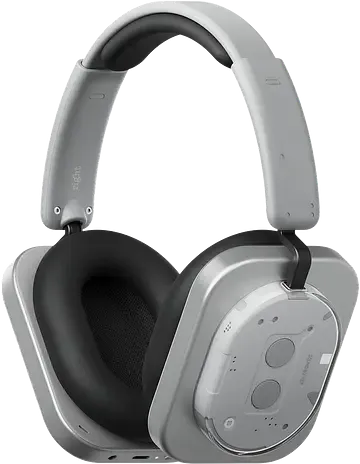
Headphones
Headphones
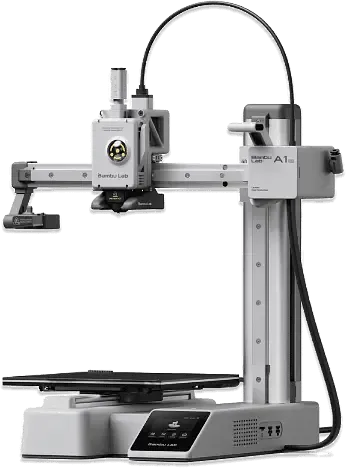
Bambu Lab A1 mini
Bambu Lab A1 mini
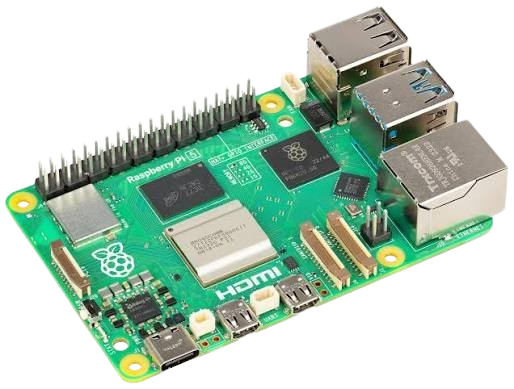
Raspberry Pi 5
Raspberry Pi 5
Instax Camera
Instax Camera
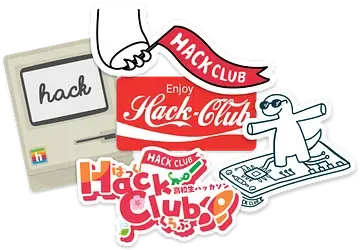
Sticker pack
Sticker pack
Travel stipend
Travel stipend

Examples only. Specific rewards are not guaranteed and may vary by region.

Questions

Everything you need before you start.

The essentials about eligibility, teams, compute, travel, and what counts as a project.

Catalyst is open to teens ages 13-18 for the global online round. No institutional affiliation, credentials, or hardware of your own are required.

Your build starts here

You do not need a GPU, a team, or a perfect idea. You need somewhere to begin.

Create your profile, start solo or find teammates, and keep the full story of your project in one place from the first idea to the final demo.